
My City Explore App
Designing a meaningful user experience (2022, pre-AI)
Project Overview
This was an independent UX case study I completed in 2022 to strengthen my end-to-end UX skills without relying on a UX Research team. I led the entire process myself , from problem definition and research to ideation, prototyping, user testing, and final design.
The goal was to practice building a real-world product experience using structured UX methodology and hands-on user insights.

Concept — My City Explore
When visiting a new city, travelers often rely on social media, blogs, or friends — but information is frequently outdated, unverified, or biased.
My City Explore was designed as a trusted, one-stop city guide that provides verified recommendations, ratings, routes, and local insights, helping travelers explore confidently.
My Role
- Problem statement definition
- UX research & user interviews
- Persona creation
- Ideation & wireframing
- Prototyping & usability testing
- Final UI & product design
(This project was fully executed independently.)
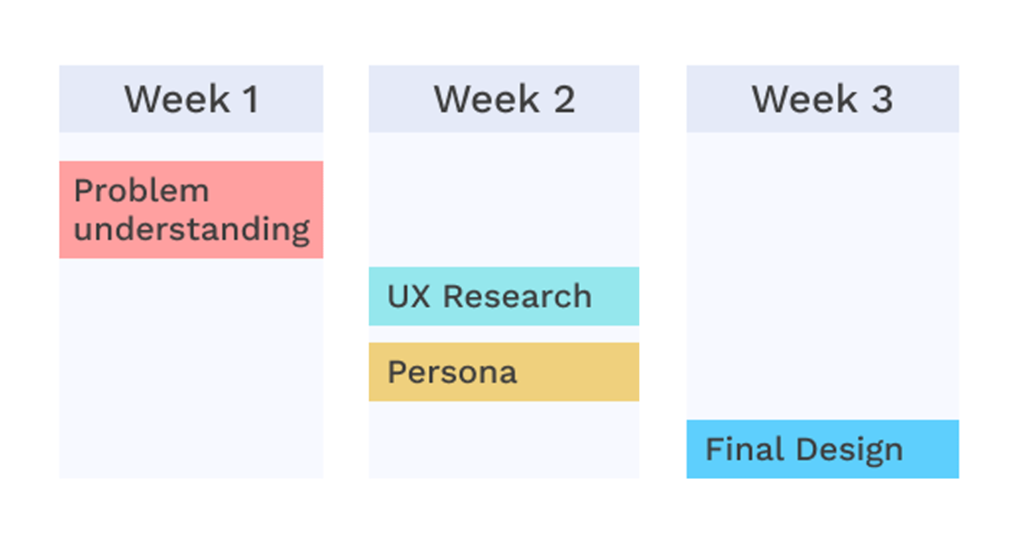
Project Timeline
Problem Statement
Design a centralized platform that helps travelers quickly access reliable, up-to-date city information to plan trips efficiently and confidently.
Key User Pain Points
Through interviews and research, I identified common challenges travelers face:
- Too much time spent gathering travel information
- Difficulty organizing recommendations in one place
- Outdated or unreliable online reviews
- Trouble estimating travel time and distances
- Limited ability to customize travel routes
- Trip planning often feels tiring and overwhelming
Research Insights
User interviews revealed four traveler types:
- Solo travelers
- Couples
- Families with children
- Group/friends
For this project, I focused on solo travelers and couples, as they were the primary interview participants.
Key findings:
- 72% prefer planning trips in advance
- Most travelers rely on Instagram, TikTok, Google, travel blogs, and friends
- Some users prefer spontaneous discovery, while others conduct deep research before traveling
Persona Pain Points
- Spending too much time collecting relevant information
- Saving screenshots or notes to track places
- Feeling overwhelmed by planning
- Encountering outdated ratings
- Struggling to find time to organize travel plans
Value & Pleasure Points
- Centralized travel information in one place
- Easy access to accommodation and transportation details
- Google Maps integration and directions
- Time savings through smarter trip planning
- Personalized recommendations and route options
Ideation & Sketching
Based on key user needs, I sketched the structure for navigation, settings, and menus, focusing on placing most solutions within accessible and intuitive sections.
Wireframes & Visual Design
I explored color, typography, and layout to improve usability and readability:
- Primary color: Bright blue to evoke a travel/sky/water holiday feel and highlight key actions
- Supporting tones: Light and dark greys for comfortable long-text reading
- Typography:–
– PT Serif for readable body text
– Fira Sans for clear titles and headings
Final Prototype & Iteration
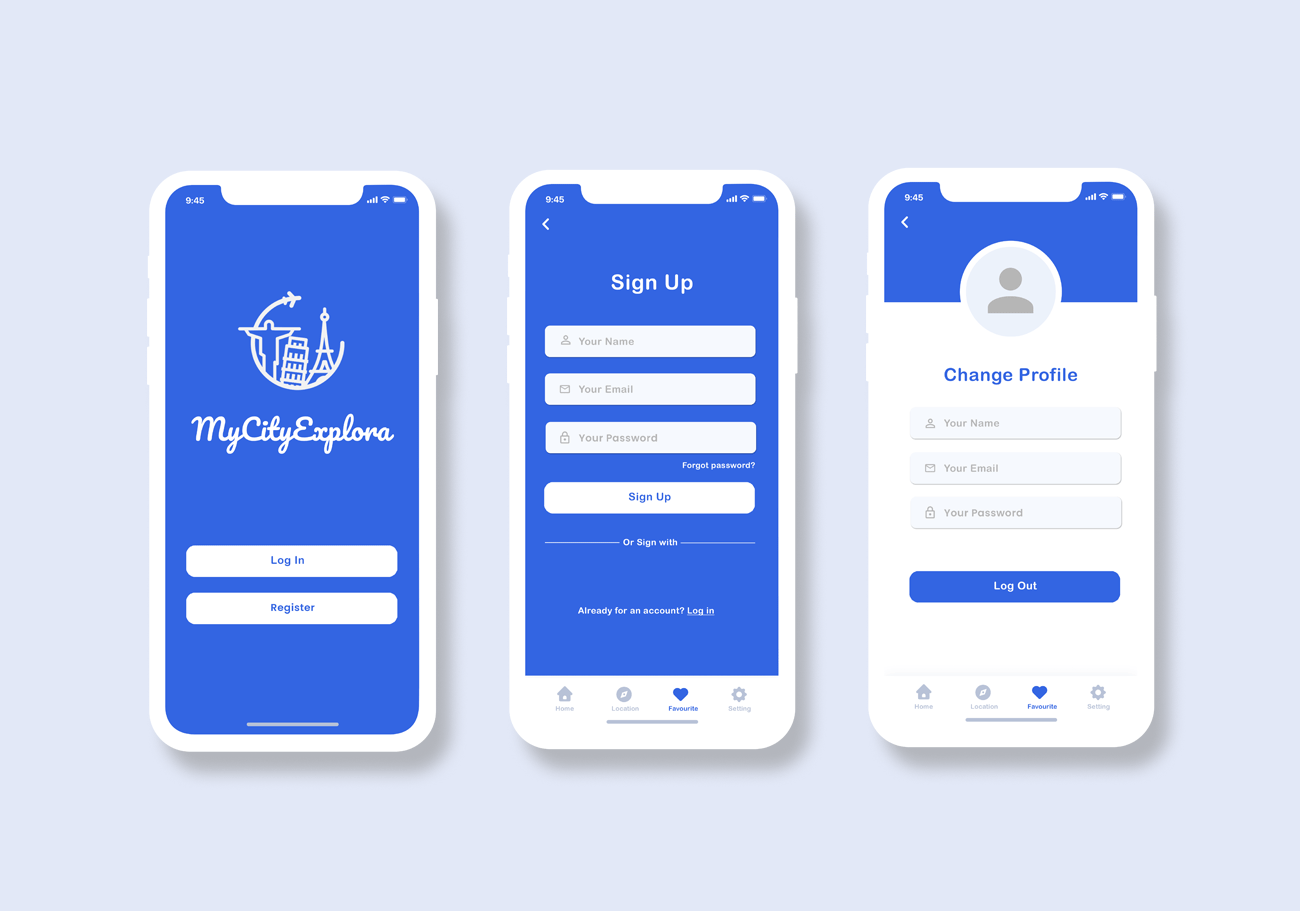
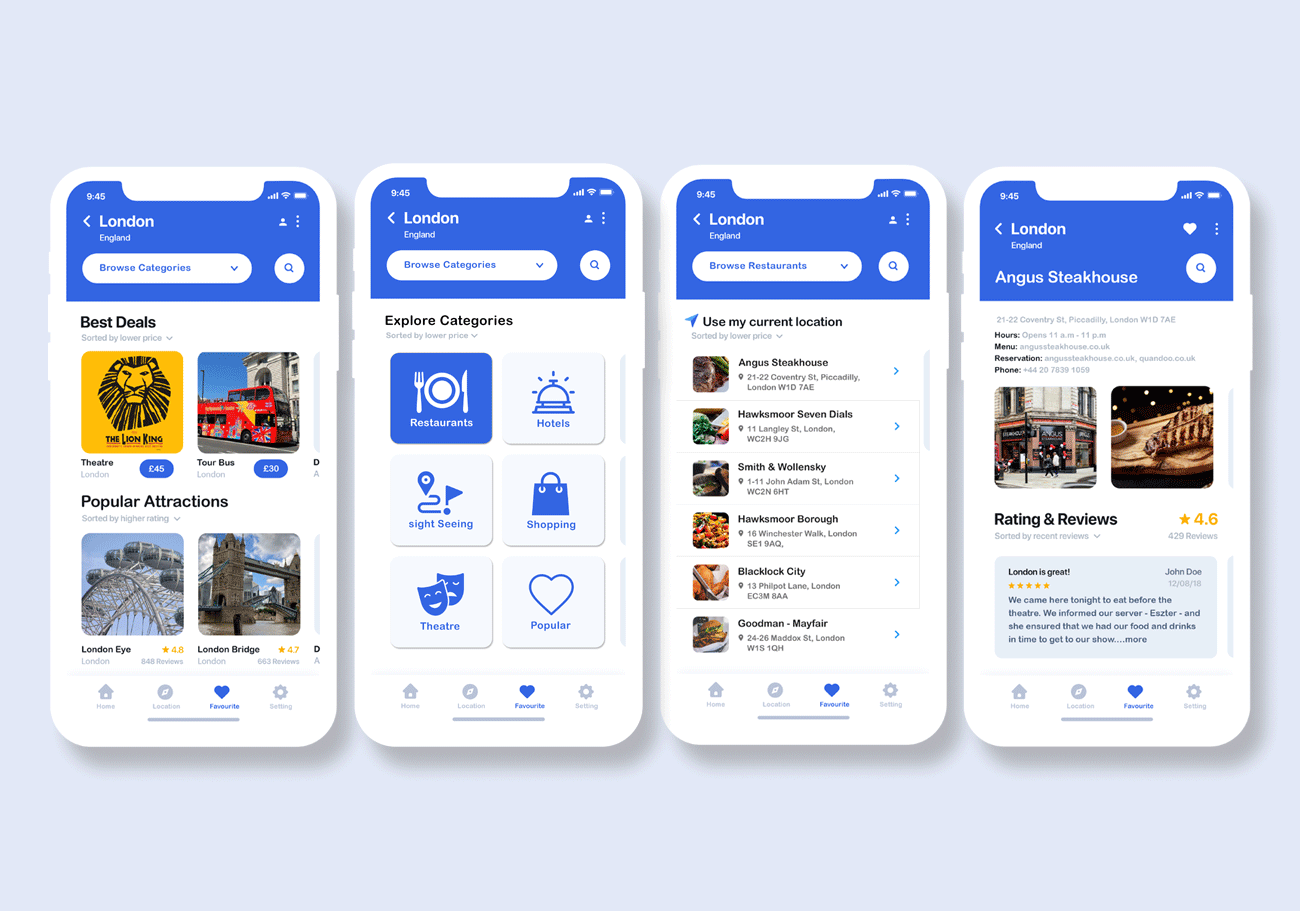
Using feedback from usability testing, I refined the final prototype to allow users to:
- Select destinations
- Discover recommended places
- View ratings and reviews
- Customize travel routes
- Plan trips more efficiently
This resulted in a user-centered travel discovery app designed to reduce planning stress while improving trust and exploration confidence.
Category
PortfolioDate
17th May 2022